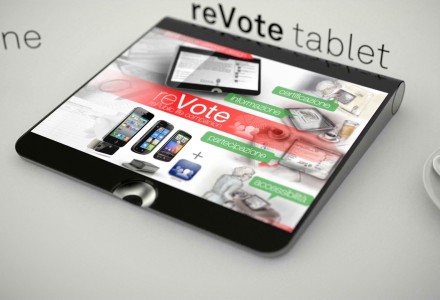
reVote

rePublic Life Companion

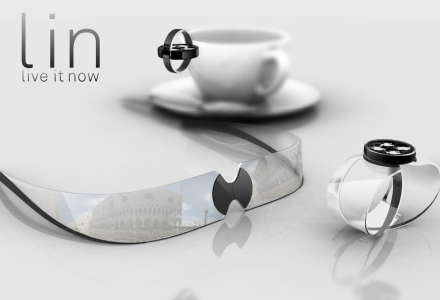
Service / App / Device concept design to push forward to 2.0 public-civic-bureaucratic-political life routine.
 
Specifically designed for Italian current situation, it wants to address several issues.
- Reduce Digital Divide
- Improve Accessibility to legal-politics-economics News.
- Tax, Bureaucratic, Voting, Certification digitalized and on the go.
- Civics, political active participation. 
- Direct political feedback. 
- Dramatically Reduce Public, Taxes, Bureaucratic and Voting infrastructure Costs.

Everything is done with a commercial app+plug-in or an all-in-one device, just externalizing most part of the costs. 
In fact, people will buy the app&plug-in or device to speed up and simplify bureaucracy, tax, legal, certification etc routine.
Government just has to certify the service, maybe hosts central certified servers, and gives few incentives to weaker and elderly.

ImmagineImmagineImmagineImmagineImmagineImmagineImmagineImmagine

Licenza Creative Commons
reVote by Tommaso Gecchelin is licensed under a Creative Commons Attribuzione – Non commerciale – Non opere derivate 3.0 Unported License.

Artworks

Questa presentazione richiede JavaScript.

A brief selection of artworks I’ve done in these years.

© Tommaso Gecchelin, all right reserved.

Push / Pull

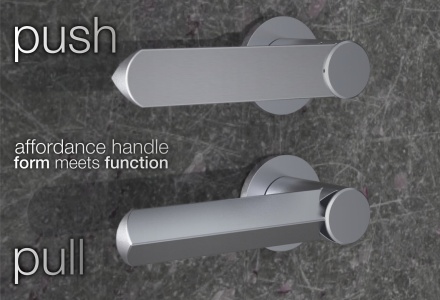
Affordance Handle

(push / push rotating handle)

It’s often not immediate and quite embarrassing try to guess how to open a door. Pushing or pulling it…
The affordance of an object is very important, gives the immediate “feeling” (partially unconscious) of what to do with it.
http://en.wikipedia.org/wiki/Affordance

- The handle shape is peculiar.
- One side is a little peaked, the other is flat.
- According to cognitive psychology experiments I done with a prototype, there is a huge correlation between handle shape (briefly seen and touched) and the Push/Pull opening direction guess.
- Obviously, when you see and touch a FLAT surface you will PUSH, and when you feel/see PEAKED part you will NOT-PUSH so you will PULL.

Do you want to buy it? 
Vote it and follow it on Quirky:

http://www.quirky.com/ideations/220984

© Tommaso Gecchelin, All rights reserved.
ImmagineImmagineImmagineImmagineImmagine

  • PULL / PUSH – Affordance Shape
  • Interchangeable / switchable handle side.
  • sleek aluminum minimal design

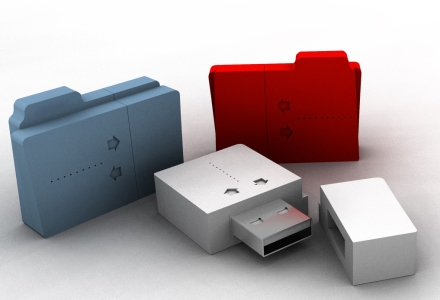
Folder Pen Drive USB

I’ve just posted this project on Quirky to get it in production.

If you like it, want to BUY it or see it in production, feel free to VOTE it here:

http://www.quirky.com/ideations/218469

ImmagineImmagineImmagine 

© Tommaso Gecchelin, all rights reserved.

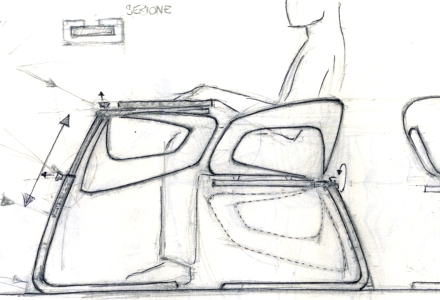
Design Sketches

Some design sketches…

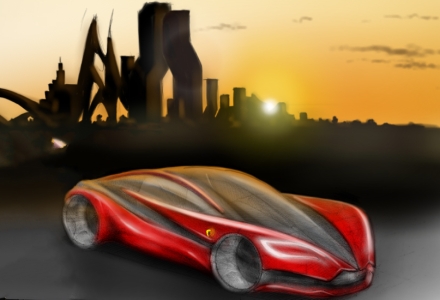
Ferrari 2025 concepts

Concepts designed for “Ferrari World Design Contest 2011″

Licenza Creative Commons
Ferrari 2025 Concept by Tommaso Gecchelin is licensed under a Creative Commons Attribuzione – Non commerciale – Non opere derivate 3.0 Unported License.

Licenza Creative Commons
Ferrari 2025 Concept by Tommaso Gecchelin is licensed under a Creative Commons Attribuzione – Non commerciale – Non opere derivate 3.0 Unported License.

Licenza Creative Commons
Ferrari 2025 Concept by Tommaso Gecchelin is licensed under a Creative Commons Attribuzione – Non commerciale – Non opere derivate 3.0 Unported License.

Licenza Creative Commons
Ferrari 2025 Concept by Tommaso Gecchelin is licensed under a Creative Commons Attribuzione – Non commerciale – Non opere derivate 3.0 Unported License.

Maikii USB Keys

Some USB Key concepts designed for Maikii Contest “Find the Meaning / Design the Shape”.

Licenza Creative Commons
Cluster USB Key by Tommaso Gecchelin is licensed under a Creative Commons Attribuzione – Non commerciale – Non opere derivate 3.0 Unported License.

Licenza Creative Commons
Crystals USB Key by Tommaso Gecchelin is licensed under a Creative Commons Attribuzione – Non commerciale – Non opere derivate 3.0 Unported License.

Licenza Creative Commons
Folder USB Key by Tommaso Gecchelin is licensed under a Creative Commons Attribuzione – Non commerciale – Non opere derivate 3.0 Unported License.

Idea without images

Reading around some interesting stuff about self-driving car.

http://www.scientificamerican.com/article.cfm?id=google-driverless-robot-car

http://www.physorg.com/news205947823.html

I was thinking that Google could develop something more legally and
wide acceptable before introducing a complete automated car.

For example in order to use and gain a massive amount of driving data
G could use the hardware and software created to monitor and make
decision to drive the car in a different way.
In my opinion this way could be big external airbags for car-car collisions.

The great problem of external airbags was the impossibility to foresee
a crash and its entity, but Google automated driving system does it
quite well.

- External airbags would be a great way to reduce injuries and deaths.
- There are no legal issues. You keep driving the car.
- Could be sold in many different versions: -side only protection to
complete 360 protection (number and position of airbags) – little
add-on for older car – car maker collaboration to sell built-in
system in new cars…
- And last but not least: Google would have millions and more cars
testing (internal simulation) G’s self-driving system and possibly
sending a huge amount of driving data from all over the world.

I think it could be a great deal and a step forward within the
self-driving car roadmap.
What do you think?

MacBook 2020

Future is Now. Brand new technologies will be available to consumer market within a few years. This is a concept for an hypothetical Mac laptop/iphone/ipad… Apple device.


Licenza Creative Commons
MacBook 2020 by Tommaso Gecchelin is licensed under a Creative Commons Attribuzione – Non commerciale – Non opere derivate 3.0 Unported License.

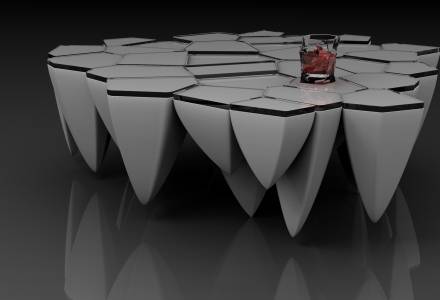
Crystal Dreams

Cristalplant table. Voronoi inspired living room lounge table made of composite material “Cristalplant” see: http://www.cristalplant.it/index_eng.html

Licenza Creative Commons
crystal dreams by tommaso gecchelin is licensed under a Creative Commons Attribuzione – Non commerciale – Non opere derivate 3.0 Unported License.

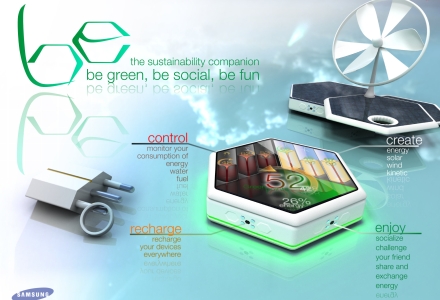
Samsung “Be”


Un prodotto di design non è solo un oggetto isolato, ma è anche la complessa rete di relazioni che lo configurano per quello che esso sarà nel suo contesto.
Questo prodotto vuole ricostruire una rete di ecosostenibilità e porre l'individuo al centro di questa rete, perchè possa sentirsi partecipe attivo e coerente di una società che riscopre nell'ecosostenibilità un valore fondante.
Il suo scopo è quello di far riscoprire il contatto consapevole con gli apparecchi e gli oggetti che consumano, ed al contempo trovare un nuovo rapporto più diretto con le
fonti rinnovabili. Riavvicinare le persone è fondamentale, poiché solo così si recupera il valore della
collaborazione fisica e sociale. L'idea è quella di far conoscere al singolo le conseguenze dei propri comportamenti,
renderlo consapevole, fornirgli dei mezzi più attivi per dare un reale contributo ecologico, fornire un feedback economico in relazione al risparmio in termini di denaro, ma soprattutto un feedback in termini di "verde risparmiato", creare un modo socializzante e ludico per confrontare i risultati del personale impegno ecologico giornaliero attraverso il confronto con gli amici e i parenti via contatto di dispositivi. L'unione dei dispositivi genera più energia, e ciò trasmettere il valore della condivisione e dell'unione delle forze, della produzione personale di energia, di verde, di sostenibilità…
Dettagli sul funzionamento:
Le prese Smart in casa comunicano tra loro tramite protocollo interno della rete elettrica. Questo fornisce dati in tempo reale sul consumo domestico. Una delle prese si connette tramite rete telefonica fissa e manda i dati via GSM a Be. Il consumo è minimo: sono pochissimi dati numerici. Le prese che si connettono ai dispositivi in mobilità comunicano invece con Be via Bluetooth. I sensori per il consumo di acqua si inseriscono nella tubatura principale accanto al contatore standard. I dati vengono comunicati via presa Smart casalinga che ritrasmette i dati a Be. Lo Smart ring è un anello molto essenziale, che ospita un sensore di conducibilità elettrica. Se passa acqua sull'anello (e quindi ci stiamo lavando) il sensore, stabilendo un contatto elettrico, se ne accorge, e, appena è sufficientemente vicino a Be (quando lo prendi in mano dopo la doccia ad esempio) manda un impulso infrarosso che comunica per quanti secondi di tempo l'acqua è scorsa su di esso. Il consumo di energia è irrisorio per l'anello che si ricarica tramite il movimento della mano. La conducibilità è molto diversa per l'acqua salata, quindi il sensore non scatta con l'acqua di mare.
Smart GPS: il gps integrato in Be traccia la tua posizione, e, in base alla tua velocità, alla strada su cui ti trovi, al numero di fermate che fai, capisce, tramite un algoritmo
ottimizzato, su che mezzo stai viaggiando, per calcolare meglio i tuoi consumi. Be Social: donare energia ad altri fa guadagnare punti green. Sei più sociale. Più doni
agli altri più gli altri possono donare a te. Più sei verde più puoi ricevere energia. Condividendo energia puoi ricaricare anche dispositivi che necessitano di più
energia, come un laptop.

Dettagli costruttivi:
Il dispositivo, per avere il minimo footprint, è costruito con una scocca interamente in alluminio riciclato e riciclabile (verniciato di bianco). Il vetro dello schermo è
riciclabile. Il dispositivo è molto resistente agli urti e all'acqua ed è magnetico nella parte dello schermo, in modo da facilitare la sua collocazione in punti difficili per utilizzare i pannelli solari e la piccola turbina eolica.

Espandibilità:
L'idea è che possa essere corredato di altri accessori per fidelizzare il cliente. Potrebbe con un facile accessorio diventare uno jojo che ricarica Be giocando, oppure un accessorio che puoi collegare alla bici per ricaricare Be tramite il moto della dinamo.
Be è il centro nevralgico ed il riferimento di tutta la tua vita sostenibile.

Licenza Creative Commons
BE concept by tommaso gecchelin is licensed under a Creative Commons Attribuzione – Non commerciale – Non opere derivate 3.0 Unported License.

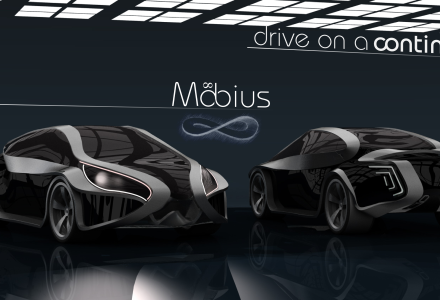
Mobius (digital version)

The project wants to merge aesthetic suggestion of math and geometry in an harmonic shape that receives you in its essential environment in which the extreme technological refinements reach such a care that becomes invisible.
The car structure has the specific “Mobius strip” topology to conceptually unify interior and exterior, and an innovative hi-tech system avoids blind spots using a synergy of flexible OLED screens, head-tracking cams and HD external cams; it really unifies visually inside and outside.


Licenza Creative Commons
mobius car concept by Tommaso Gecchelin is licensed under a Creative Commons Attribution-NonCommercial-NoDerivs 3.0 Unported License.

digital “moebius version” WIP

voilà some WIP of moebius car concept, 3D digital version…

Questa presentazione richiede JavaScript.

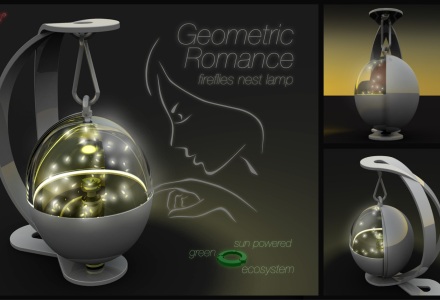
Geometric Romance


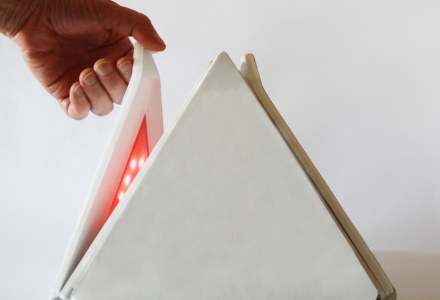
This wants to be an ambient lamp that recreates a certain natural
romantic mood in your house. The smooth geometrical approach of the
structure is due to a carefully study in the balances of volumes and masses.
You could change the light colour of the lamp just by touching the
surface, so it seems that there’s no technology in it, just nature.
But the lamp is filled by a fluid moved by a pump that moves
elettronic fireflies. This fireflies are powered by a wireless system
located in the base of the nest (like cellphone wireless charger).
So this device full of technology will be just a romantic natural drop
of colour in your room.

Creative Commons License
Firefly Nest Lamp by Tommaso Gecchelin is licensed under a Creative Commons Attribuzione-Non commerciale-Non opere derivate 2.5 Italia License.

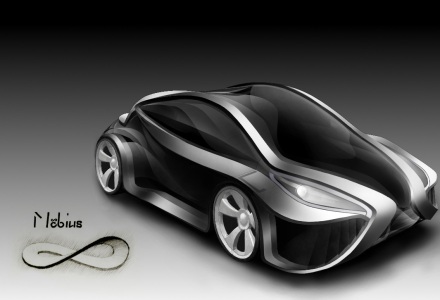
Moebius (“analogic” version)

Moebius Concept CarI recently won the second prize of a Car Design Contest. (Concorso Car Design 2010) Università di Trieste.

This is the contest web site.

http://www.concorsocardesign.it/indexit.html

This is the project.
It’s completely done without CAD. But I’m planning to realize a 3D model of this car very soon.

Creative Commons License
Moebius Concept Car by Tommaso Gecchelin is licensed under a Creative Commons Attribuzione-Non commerciale-Non opere derivate 2.5 Italia License.

This is a brief description of the car project:
(now just in italian, soon in English also)

Descrizione progetto “Möebius”

Il progetto di quest’auto nasce con il proposito ambizioso di unire le suggestioni este­tiche provenienti dalla matematica e dalla geometria in una forma armonica che ac­colga sia chi la osserva che chi la guida in un ambiente essenziale in cui la massima raffinatezza tecnologica raggiunge una cura tale da renderla invisibile agli occhi ed accessibile in maniera confortevole e naturale. Il design delle forme interne ed ester­ne è studiato per offrire un piacere di guida eccezionale.

Una dream car con un anima potente ma ecologica, il motore ibrido muove una strut­tura molto particolare ed innovativa.

La scocca è realizzata da un nastro continuo di alluminio che si avvolge e si plasma delineando i volumi di un auto votata all’essenzialità che non vuole rinunciare alla si­nuosità dinamica di un auto sportiva.
La prerogativa concettuale dell’auto è una spinta innovativa e tecnologica che, però, semplifichi invece di complicare e che riavvicini il guidatore ad un’esperienza più na­turale e coinvolgente.
Una rivoluzione che si propone di abbattere fisicamente e concettualmente la divisio­ne tra interno ed esterno.
Una forma emblematica che soddisfa queste necessita concettuali è proprio il nastro di Möbius, la sua peculiarità topologica è proprio quella di non delimitare (a differenza di un anello, per esempio) una superficie interna ed una esterna.
Si può percorrere, sfiorando con un dito, tutta la superficie del nastro passando da una faccia all’altra, senza sollevare la mano (come si può osservare seguendo il pro­filo del nastro, nella tavola della costruzione geometrica).
La struttura del nastro è realizzata saldando accuratamente porzioni di alluminio pri­ma estruse e poi curvate.
A questo nastro di alluminio spesso e resistente sono incernierate le altre parti della scocca: pannelli in vetro e in fibra di carbonio e parti alluminio opache ricoperte da uno strato vetroso. Questa soluzione, in accoppiamento con le ampie superfici in ve­tro conferisce all’intera vettura un aspetto nero intenso, uniforme e lucido contrappo­sto alle sinuose linee metalliche del nastro di alluminio.

I fanali sono realizzati tramite superfici a led organici (OLED) posti sotto la parte vetro­sa scura semiriflettente. Questo permette di avere un corpo macchina completamen­te nero finché i fanali non vengono accesi aprendo così gli “occhi” dell’auto.

L’abitacolo unisce concettualmente interno ed esterno attraverso un sistema di scher­mi flessibili (FOLED) aderenti alla parte interna della scocca; essi riproducono per­fettamente l’ambiente circostante coperto dalle parti di telaio. Si ha la sensazione di essere in un’auto completamente di vetro in una fusione intima con la strada.

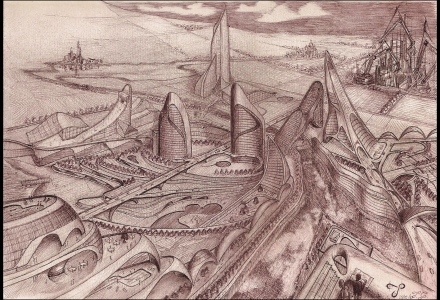
Future Landscape

Future Landscape

I’ve done this drawing fashinated by Zaha Hadid’s deconstructivist architecture and by some drawings of Frank Lloyd Wright.

Creative Commons License
Future Landscape by Tommaso Gecchelin is licensed under a Creative Commons Attribuzione-Non commerciale-Non opere derivate 2.5 Italia License.

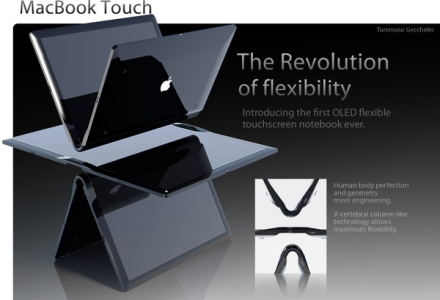
MacBook Touch

MacBook Touch concept

MacBook Touch concept

The Concept of a new MacBook I’ve designed…

redj3k.deviantart.com.

Creative Commons License
MacBook Touch concept by Tommaso Gecchelin is licensed under a Creative Commons Attribuzione-Non commerciale-Non opere derivate 2.5 Italia License.
Based on a work at redj3k.deviantart.com.

Looking around in some forums I see a lot of people who say that this is not a new idea because of concepts like this…

http://www.idasia.org/lenovo-design/

http://gizmodo.com/5149026/negroponte-open-sources-olpc-hardware-design-invites-copy+cats

http://notebookitalia.it/canova-dual-touch-screen-concept-a-met-fra-notebook-e-tablet-pc.html

http://paleo-future.blogspot.com/2007/04/apples-knowledge-navigator-1987.html (terrible fake tech)

So it’s important to clarify…THIS IS NOT A DUAL SCREEN LAPTOP…
This concept is made by JUST ONE FLEXIBLE, BENDABLE FOLED SCREEN…(this is the innovation, cause when you open the laptop it becomes a tablet pc with wide screen without a “dead-space” in the middle.)
So you can have a real full 13” screen in your pocket…
Every other concept is made by TWO RIGID SCREENS with a cut in the middle…not the same thing at all…

And…iSpine is a cheap, simple, resistant technology made just of hexagonal and trapezoidal rigid little plastic extrusions… So only the foldable screen is expensive cause massive production of OLED screen is just about to begin…
And iSpine have nothing in common with the spine of a book like the guy that posted my work said in Yanko Design…The truth is that iSpine is like the human spine, like vertebral column…

iSpine closeup